

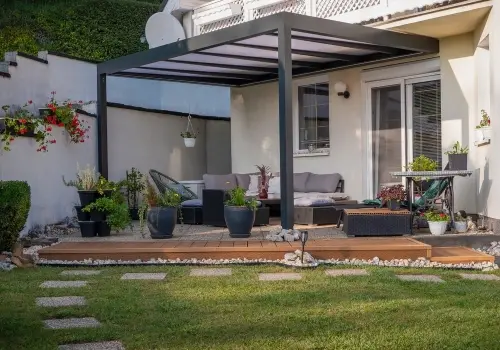
A smart garden is not the one with the most features. It is the one that still looks tidy, works for your lifestyle, and feels manageable long after the first week.
That is why low maintenance garden ideas matter so much for South-East Melbourne homes. In growth areas like Pakenham, Officer, Berwick, Clyde, and Clyde North, many homeowners want outdoor spaces that look finished and welcoming without demanding constant mowing, watering, trimming, or redoing. Local water rules are part of that conversation too. In Victoria, permanent water saving rules apply year-round, and home garden watering systems can only be used between 6pm and 10am, while hand watering is allowed at any time.
Start with how you want the space to behave
The most useful question is not, “What looks good online?” It is, “How much work do I want this garden to need every month?”
A family home, a rental property, and a pre-sale upgrade all need different things. Some households want a lawn area for children and pets. Others want cleaner lines, simpler planting, and less seasonal upkeep. When the garden matches the way the property is actually used, it becomes much easier to maintain consistently.
This is where many easy-care outdoor spaces succeed. They are planned around movement, storage, sun, and simple upkeep. They do not try to fit every trend into one yard.
Keep the layout simple and purposeful
Low upkeep often starts with layout, not plant choice.
A garden with too many small zones, awkward corners, or narrow strips is harder to mow, weed, edge, and clean. A better approach is to create a few clear areas that each have a purpose, such as:
- a practical front entry area
- one main lawn or open zone
- a planted border rather than scattered garden pockets
- a path that keeps feet off wet or soft ground
- a simple sitting area for daily use
This kind of structure makes the space easier to move through and easier to care for. It also helps the garden feel calmer and more finished.
Choose plants for resilience, not constant attention
One of the best low maintenance garden ideas in South-East Melbourne is to use plant selections that suit the local conditions and the amount of care the owner can realistically give them.
That does not mean the garden has to look sparse or basic. It means choosing plants with a practical reason for being there. Repeating a smaller palette of reliable plants often looks more polished than using too many varieties in small numbers.
For many homes, it also helps to think in layers:
- groundcovers to soften edges and reduce open soil
- shrubs for structure and screening
- feature plants used sparingly for shape or contrast
This approach usually looks cleaner over time and is easier to prune and refresh when needed.
Use mulch as a design tool, not just a finishing touch
Mulch is one of the simplest ways to make a garden easier to manage. It helps suppress weeds, improves moisture retention, and gives planted areas a neater appearance.
The Victorian Government advises that mulch can reduce water evaporation by up to 70 percent, which is a major benefit in gardens where water efficiency matters. The same advice also recommends watering for longer but less often to encourage deeper roots and better drought tolerance.
In practical terms, that means mulch is not only about presentation. It can reduce how often beds dry out, cut down on open bare soil, and help gardens stay more consistent through warmer periods.
Think carefully about how much lawn you really need
A large lawn can look appealing, but it is not always the most practical choice for every property. Mowing, edging, patch repairs, seasonal feeding, and watering all add to the workload over time.
That does not mean lawns should be avoided. It means lawn size should suit the purpose of the yard. A smaller, well-placed lawn area is often more useful than a large lawn that becomes a burden to maintain.
This is especially relevant when you consider water use. South East Water says that 25 to 50 percent of the average home’s water is used outdoors, which shows why lawn area, irrigation habits, and plant choice make such a difference in day-to-day garden performance.
Make watering easier from the start
A low upkeep garden should be easier to water well, not harder.
That usually means avoiding a layout where plants with very different needs are all mixed together. It also helps to plan watering around the way the garden is divided. Garden beds can often be handled more efficiently with drip-style watering, while hand watering may be enough for smaller feature areas.
The local rules matter here too. In Victoria, hoses must be leak free and fitted with a trigger nozzle, and hard surfaces such as concrete, paths, and driveways must not be cleaned with water unless a specific exemption applies.
For homeowners, that makes practical design choices even more valuable. Surfaces that are easy to sweep, garden beds that hold moisture better, and a planting plan that does not depend on constant watering all support a more manageable result.
Reduce maintenance with stronger edges and surfaces
Many gardens become high maintenance because the borders are weak. Soil spills onto paths. Lawn creeps into beds. Pebbles spread. Weeds appear where finishes meet.
Clear edges and well-defined surfaces help control that. They also make the garden look sharper with less effort. A simple path, a contained planting zone, and a surface that suits regular use can all reduce mess and improve how the property feels day to day.
This is one reason low-maintenance front yard ideas often work so well when they rely on clean lines, restrained planting, and durable finishes rather than too many decorative elements.
Plan for the season after the install
A garden should still make sense three months later, not just on completion day.
Before finalising a layout, it helps to ask:
- Who will mow and edge regularly?
- How often will the beds be weeded?
- Will the property be owner-occupied or rented?
- Is there enough shade or shelter in the hottest areas?
- Does the design still work if life gets busy for a few weeks?
Those questions often lead to better choices than focusing only on the first impression.
Low maintenance should still feel finished
Easy-care does not have to mean plain. A well-planned garden can still feel warm, modern, and inviting. The key is choosing the right amount of detail in the right places.
That might mean one strong entry feature instead of several small ones. It might mean a practical lawn area with simple surrounding planting. It might mean more mulch, fewer problem spots, and a layout that supports easy cleaning and better water use.
For homes across South-East Melbourne, the best results usually come from practical planning, honest material choices, and a garden layout that fits the property and the people living there.
If you want a garden that looks polished without creating extra work, Royal Nest Landscaping helps homeowners across Pakenham and nearby South-East Melbourne suburbs plan and build outdoor spaces with long-term usability in mind. Get in touch to arrange a site visit and quote for a garden that is easier to live with and easier to maintain.